by Mia Valleskey | Mar 12, 2026 | Uncategorized
A liquid facelift with filler is a non-surgical treatment that uses dermal fillers to restore lost volume, soften lines, and recontour your face. Instead of tightening skin by removing it like surgery, it replaces volume that naturally decreases with age.
If you’re noticing sagging, hollow areas, or deeper folds but aren’t ready for surgery, you may be wondering whether this option makes sense for you. Here’s what you should know before deciding.
What a Liquid Facelift with Filler Actually Does
As you age, you lose collagen, fat, and bone density in the face. That can mean:
- Flattened cheeks
- Under-eye hollows
- Nasolabial folds (smile lines)
- Marionette lines
- Less definition along the jawline
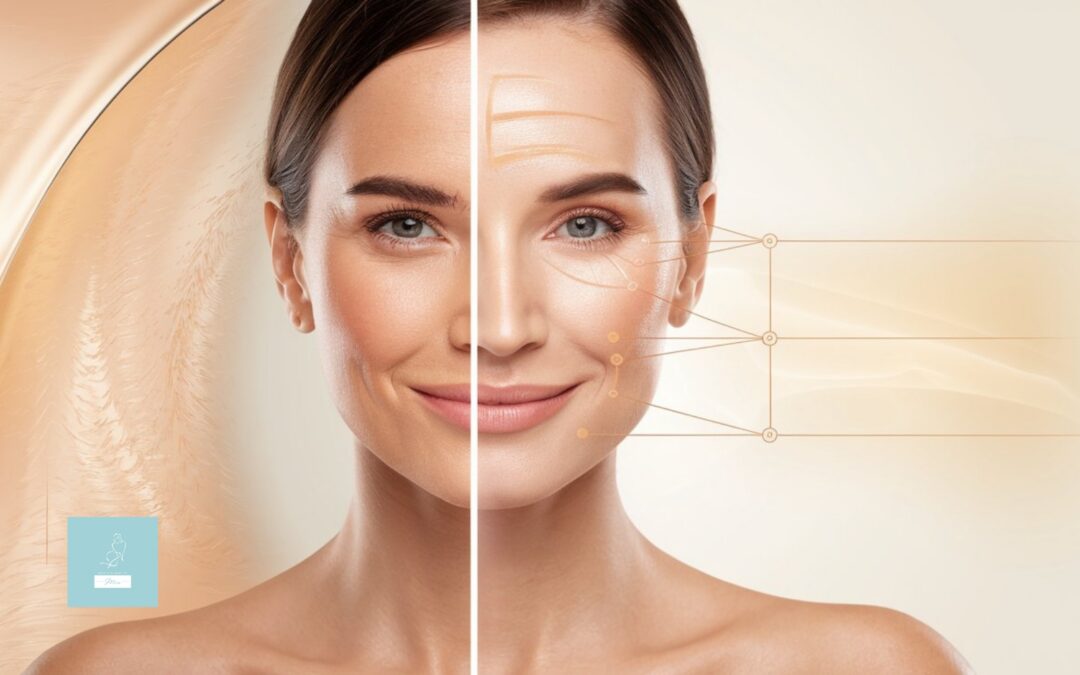
A liquid facelift with filler adds dermal fillers to restore support and balance. The goal is to bring back the structure that has diminished over time. This treatment can create a subtle lifting effect because restoring volume in the cheeks and mid-face can reduce sagging.
Who Is a Good Candidate?
You may be a good candidate if you:
- Have mild to moderate volume loss
- Notice early sagging, but still have good skin elasticity
- Want improvement without surgery
- Want little to no downtime
- Have realistic expectations about results
If you have significant skin laxity or heavy sagging, surgery may be the better option. Your overall health, skin quality, and facial anatomy also play a role in determining suitability.
What Is Treatment Like?
Treatment starts with a consultation to discuss your goals and evaluate your facial structure. We’ll show you where filler will create the most balanced result.
During the procedure:
- We’ll cleanse your skin
- Apply a topical numbing agent
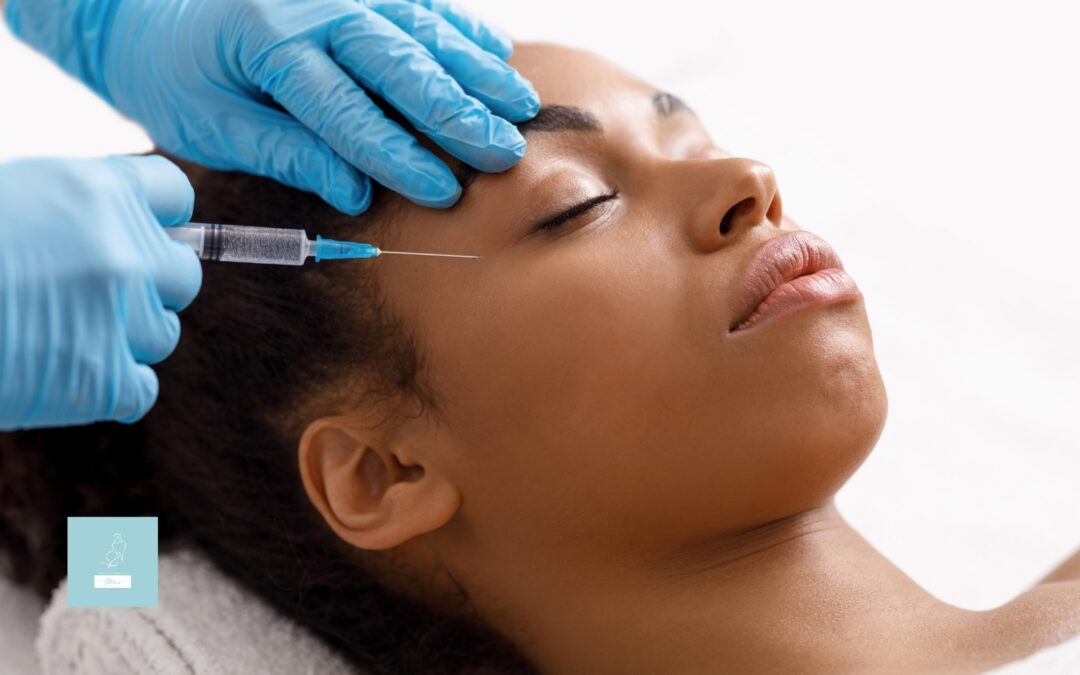
- Inject filler in the targeted areas
Most appointments take less than an hour.
Downtime and Recovery
One reason people choose a liquid facelift with filler is the limited downtime. You can usually return to normal activities the same day.
You might have:
- Mild swelling
- Bruising at injection sites
- Temporary tenderness
How Long Do Results Last?
You’ll notice some results right away, but minor swelling can affect how things look for a little while. Most fillers last anywhere from 6 to 18 months, depending on the specific filler, treatment area, and how your body metabolizes the filler. Once it metabolizes, you’ll need another treatment.
Is It Right for You?
If you want gradual, non-surgical facial rejuvenation and understand that maintenance is part of the process, a liquid facelift with filler may be worth considering. Schedule your consultation with Beauty & Body by Mia today.
by Mia Valleskey | Feb 27, 2026 | CO2 Laser Therapy
CO2 laser therapy uses concentrated carbon dioxide laser energy to remove damaged outer layers of skin and heat deeper layers to stimulate collagen production. It’s used to treat fine lines, wrinkles, acne scars, sun damage, and uneven texture or tone. Because it works at multiple skin depths, it’s more intensive than peels or non-ablative lasers.
Thinking about CO2 laser therapy? It helps to understand how the process works and what recovery involves.
CO2 Laser Therapy: What It Is, How It Works, and What to Expect
You’ll start with a consultation to decide whether CO2 laser therapy is right for what you want to achieve and your skin type. We’ll go over your medical history, current medications, and prior skin treatments, because some health conditions, medications, or recent procedures can affect how your skin heals.
You’ll also discuss what you want to improve, like acne scarring, deeper wrinkles, or sun damage. CO2 laser therapy isn’t a one-size-fits-all treatment. Depth and intensity vary based on your needs.
To reduce the chance of pigmentation issues and irritation, before treatment, we’ll also ask you to:
- Limit sun exposure and avoid tanning
- Pause retinoids or strong exfoliants
- Follow any prescribed pre-treatment skincare
How the Treatment Works
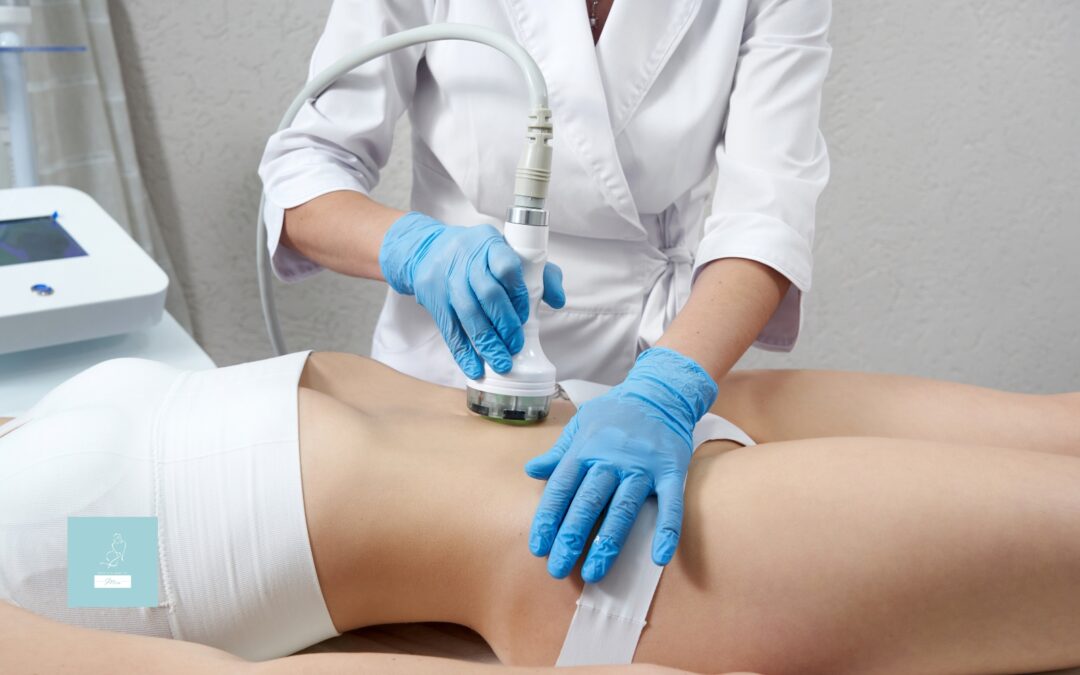
On the day of treatment, your skin is cleansed, and we’ll apply a topical numbing cream. The laser passes over the targeted areas, creating controlled microscopic injuries. This removes damaged skin and triggers your body’s healing response. As your skin repairs itself, it produces new collagen to plump and firm your skin. Treatment time depends on the area’s size. Smaller areas can take under 30 minutes, while full-face treatments can take longer.
What It Feels Like
With numbing in place, most people describe the sensation as heat or a prickling feeling. It’s noticeable but not painful.
Recovery and Downtime
CO2 laser therapy does require some downtime. You should plan your schedule around that. Right after treatment, your skin will be red and feel similar to a sunburn. Swelling and tightness are common in the first few days.
- Days 1 to 3: Your skin will be sensitive and a little red and swollen.
- Days 4 to 7: Your skin begins peeling or flaking as damaged layers shed.
- After the first week: Most peeling resolves. Pinkness can remain for several weeks while new skin matures.
During recovery, you’ll need gentle cleansing, regular moisturizing, and strict sun protection. You shouldn’t pick or scrub peeling skin, because that can create irritation or scarring.
Is CO2 Laser Therapy Right for You?
CO2 laser therapy results develop gradually, not all at once. As collagen rebuilds, fine lines and wrinkles become less visible. Many people notice continued improvement for several months. However, while some people only need one session, others may need multiple sessions over time.
Ready to see if CO2 laser therapy is a good fit for your skin goals? Schedule a consultation with Beauty & Body by Mia, today.
by Mia Valleskey | Feb 13, 2026 | J-Plasma Skin Tightening
Have you noticed new lax, sagging skin? You’re likely wondering what actually works to tighten and firm things up. With so many treatments on the market, it can be hard to tell what delivers real results versus temporary improvement.
J-Plasma skin tightening has gotten a lot of attention for its results, but how does it compare to other options? Understanding the differences can help you choose the appropriate treatment.
What Is J-Plasma Skin Tightening?
J-Plasma uses a combination of radiofrequency energy and helium plasma to tighten skin from beneath the surface. This technology delivers controlled energy that contracts tissue and stimulates collagen remodeling, resulting in improved firmness and contouring.
Unlike treatments that work only at the surface, J-Plasma targets deeper layers of the skin. That’s why it’s used for areas like the neck, jawline, abdomen, arms, and thighs, where skin laxity is harder to address with topical products or non-invasive treatments alone.
How It Compares to Other Skin Tightening Options
There are several approaches to skin tightening, and each one works differently.
- Non-invasive treatments like radiofrequency or ultrasound devices can offer mild tightening over time. These are usually best for early signs of laxity, and you’ll likely go through multiple sessions.
- Injectable treatments like biostimulators can improve skin quality by encouraging collagen production. However, they don’t physically tighten loose skin and are better for improving texture and firmness than addressing laxity.
- Surgical skin tightening procedures provide the most dramatic results but involve larger incisions, longer recovery times, and greater risks.
J-Plasma falls somewhere in between. It offers more noticeable tightening than non-invasive treatments without the extensive downtime or invasiveness of traditional surgery, which makes it appealing for patients who want measurable improvement without a full surgical procedure.
Results and Recovery
One of the advantages of J-Plasma is that results are often visible relatively quickly, with continued improvement as collagen remodeling occurs. Recovery time varies depending on the treatment area, but it’s usually shorter than traditional surgery. You may experience swelling or tenderness as your body heals, but many patients return to normal activities sooner than expected.
Is J-Plasma Right for You?
J-Plasma isn’t designed to replace surgery in cases of severe skin laxity. However, if you’re dealing with mild to moderate looseness and want a solution that delivers more than surface-level improvement, it may be a strong option.
The best way to know is through a personalized consultation. Skin quality, age, treatment area, and your overall goals all play a role in determining the most effective approach.
Let’s Find the Right Solution
Choosing a skin tightening treatment shouldn’t feel overwhelming. Contact Beauty & Body by Mia today to schedule a consultation, and we’ll evaluate your concerns, explain your options clearly, and help you choose a treatment plan.
by Mia Valleskey | Jan 31, 2026 | Belotero Injections
If you’re looking to smooth fine lines without changing how your face naturally moves or looks, Belotero injections may be worth considering. It’s an injectable filler (like Botox and others) and is designed for precise correction and subtle changes.
Understanding Belotero
Belotero is a hyaluronic acid–based dermal filler. Hyaluronic acid is already found naturally in your skin. Its role is to maintain hydration and elasticity. As you age, those levels decline, and that reduction contributes to fine lines and loss of smoothness.
What makes Belotero different from some other fillers is its consistency and how it integrates into the skin. It’s formulated to fill fine lines without adding bulk or stiffness. The result? Smoother skin that still moves naturally when you smile or talk.
Where Belotero Works Best
Belotero isn’t for everything. It’s best for fine lines and etched wrinkles, particularly in areas where the skin is thinner. You may be a good candidate if you’re concerned about:
- Smile lines around the mouth
- Vertical lip lines (“lipstick lines”)
- Under-eye hollows or creases
- Fine lines on the cheeks or lower face
If you’re not looking for dramatic volume but want to soften lines and refresh your appearance, it can be an excellent option.
What the Treatment Is Like
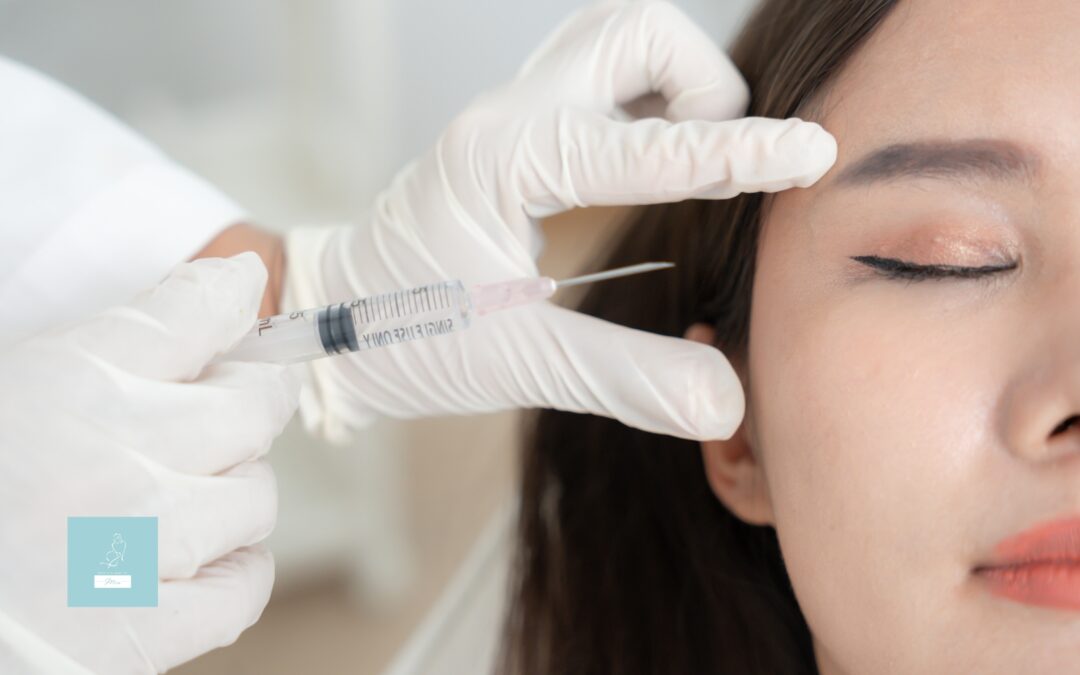
Belotero injections are usually quick. The product contains lidocaine to help reduce any potential discomfort, and most appointments can be completed in under an hour. You may notice mild swelling or redness at the injection site, but downtime is usually minimal.
Results are visible almost immediately, and you’ll see more changes as the filler settles. Depending on the treatment area and your body’s metabolism, results generally last six to 12 months.
Is Belotero Right for You?
Belotero isn’t a one-size-fits-all solution. Some concerns respond better to fillers that provide more structure or volume, while others require a lighter, more flexible approach.
A professional assessment before deciding on any treatment is important. Your facial anatomy, skin quality, and aesthetic goals all play a role in deciding whether Belotero is the right injectable for you.
Take the Next Step
If you’re curious about Belotero injections and want to know whether they’re right for your specific concerns, Beauty & Body By Mia is here to help. Contact us today to schedule a consultation. We’ll walk you through your options, answer your questions, and create a personalized plan.
by Mia Valleskey | Jan 15, 2026 | Tips & Tricks
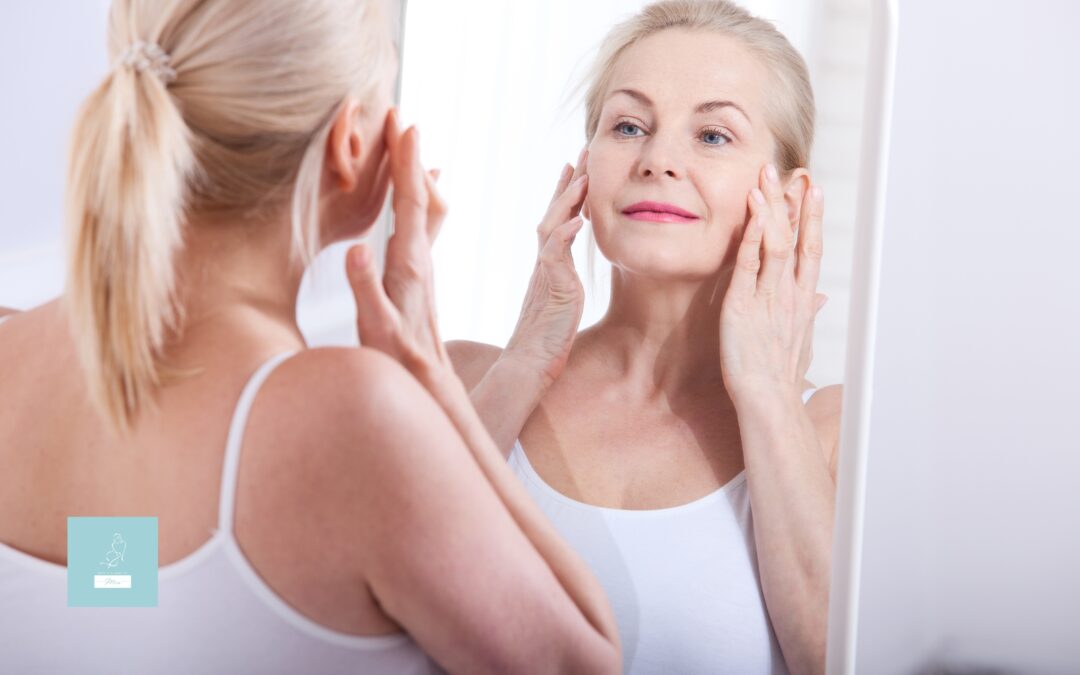
Collagen plays a major role in how your skin looks, feels, and ages. It’s the structural protein that keeps your skin firm and smooth. When collagen levels are high, skin looks lifted and youthful. When collagen breaks down naturally over time, fine lines, wrinkles appear, and skin starts to sag.
Understanding how collagen works and how to support it can help you take a more proactive approach to preserving your skin’s appearance.
Why Collagen Declines Over Time
Your body produces plenty of collagen when you’re young. But starting in your mid-20s, collagen production slows down. Each year, you lose a small percentage of what you once had. Environmental factors like sun exposure, pollution, smoking, and chronic stress accelerate this process.
As collagen diminishes, your skin loses its underlying support. This leads to thinning, reduced elasticity, and wrinkles, especially in areas like around your eyes and mouth.
Signs of Collagen Loss in the Skin
Collagen loss doesn’t happen overnight, but there are clear signs when it begins. You may notice your skin doesn’t bounce back the way it used to, or that fine lines stick around longer after facial expressions. Over time, skin can appear looser and more textured.
These changes reflect structural shifts beneath the skin, which is why effective treatments need to address collagen at a deeper level, rather than just masking the symptoms.
Supporting Collagen Production
While you can’t completely stop collagen loss, you can slow it down and stimulate new production. Daily sun protection is one of the most important steps you can take. UV exposure is one of the leading causes of premature collagen breakdown.
Medical-grade skincare like retinoids and antioxidants can also help support collagen reduction and protect against environmental damage. However, topical products have a big limitation: they work primarily at the surface.
Treatments like microneedling, collagen-stimulating injectables, and energy-based skin tightening encourage your body to rebuild collagen from within. These help improve firmness, texture, and overall skin quality over time.
Invest in Your Skin’s Future
Addressing collagen loss early and with the right treatments can help you maintain smoother, firmer skin and delay the need for more invasive procedures down the road.
At Beauty & Body by Mia, we take a results-focused approach to skin rejuvenation. We’ll help you understand where collagen loss is occurring and recommend treatments designed to support lasting improvement. Ready to take control of your skin’s aging process? Contact us today to schedule a consultation.
