CO2 Laser Resurfacing: The Fall Skin Reset for Texture, Scars, and Fine Lines
Fall is one of the best seasons to get serious about skin renewal. After months of sun exposure, heat, sweat, sunscreen, and outdoor activities, many clients begin noticing changes in their skin that were easier to ignore during summer. Texture may look rougher. Fine lines may seem more visible. Acne scars may appear deeper. Sun damage and uneven tone can become more noticeable.
That is where CO2 laser resurfacing becomes a powerful fall skin reset.
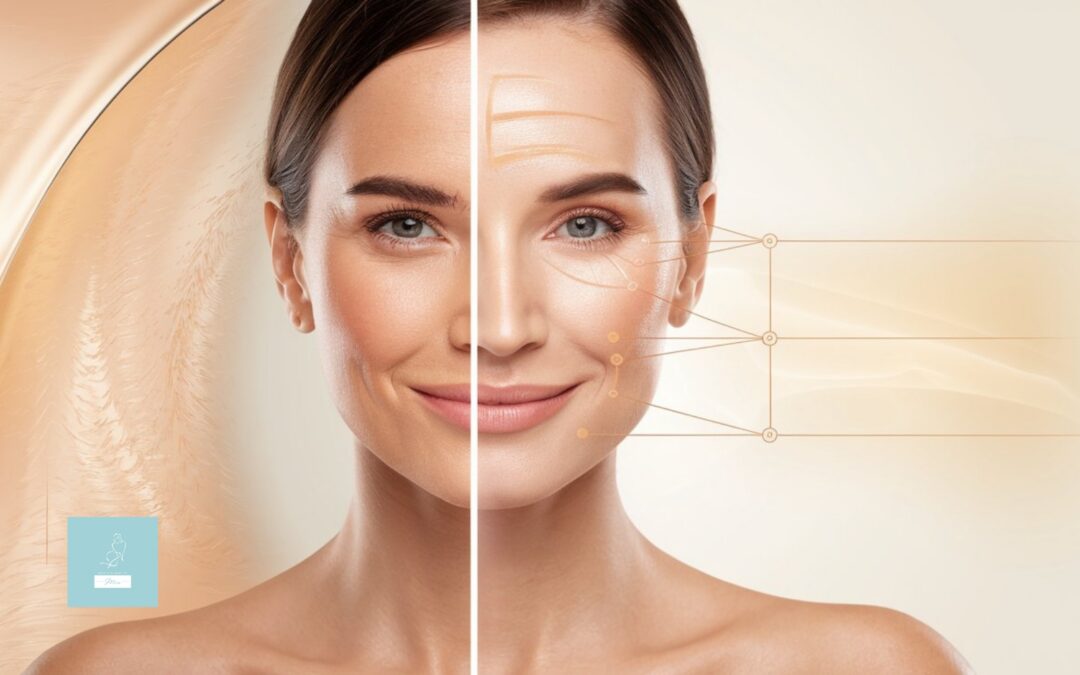
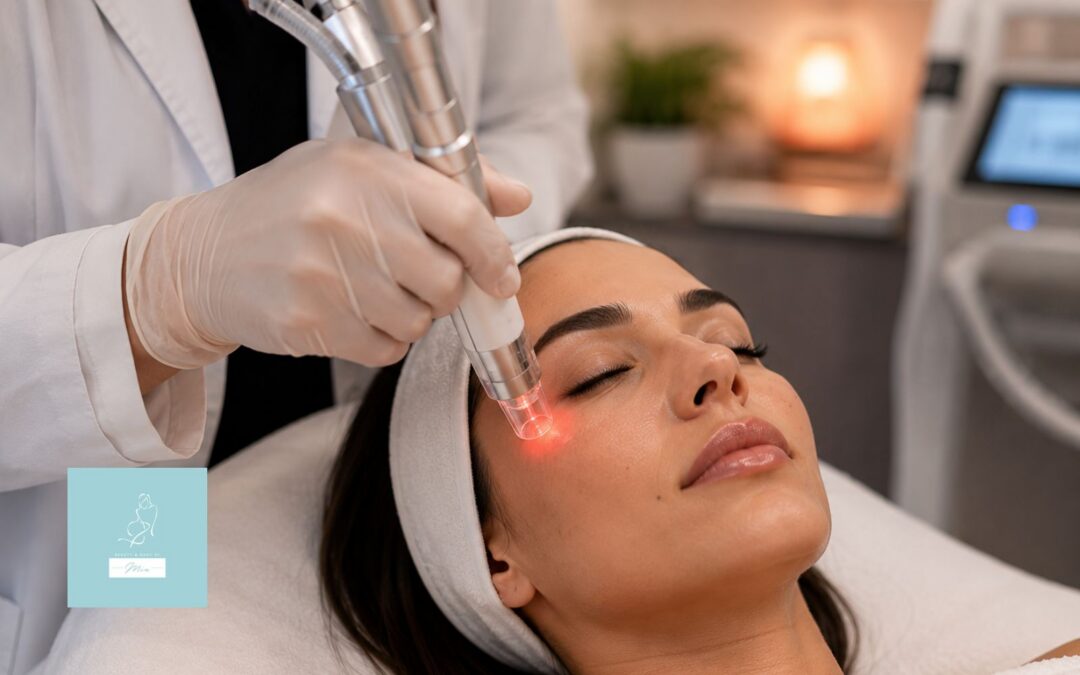
As an advanced skin rejuvenation treatment, CO2 laser resurfacing is designed for clients who want more than a basic facial or light exfoliation. It works by using targeted laser energy to resurface damaged skin and stimulate the body’s natural healing response. As the skin repairs itself, new collagen production helps improve the look of fine lines, wrinkles, scars, and uneven texture.
The American Society for Laser Medicine and Surgery explains that laser resurfacing uses laser energy to remodel layers of the skin, often for concerns like wrinkles, scars, and sun damage. Ablative lasers, including CO2 lasers, remove outer layers of skin and can lead to significant improvement in wrinkles.
What Is CO2 Laser Resurfacing?
CO2 laser resurfacing is an ablative laser treatment, meaning it removes controlled layers of damaged skin while heating the deeper layers to encourage collagen remodeling. This dual action makes it especially helpful for clients who want to address more advanced skin concerns.
Cleveland Clinic notes that CO2 laser resurfacing may be used to treat several skin concerns, including facial lines and scars. Unlike lighter treatments that focus mainly on surface glow, CO2 laser resurfacing targets deeper skin renewal. It can be a strong option for clients who feel like their skin needs a true reset, not just a temporary refresh.
What Can CO2 Laser Help Improve?
CO2 laser resurfacing is commonly used for:
- Rough or uneven skin texture
- Acne scars
- Surgical or injury scars
- Fine lines and wrinkles
- Sun damage
- Enlarged-looking pores
- Crepey skin texture
- Dullness
- Mild skin laxity
For acne scarring, the American Academy of Dermatology explains that laser resurfacing can help stimulate collagen and elastin as the skin heals, which may improve the appearance of scars.
Why Fall Is the Right Time
CO2 laser resurfacing requires careful sun protection before and after treatment. That is one reason fall is such a smart time to begin. With less intense sun exposure, cooler weather, and more time indoors, clients can better protect their skin during the healing process.
Fall also gives your skin time to recover and improve before the holiday season, winter events, and year-end photos. Because collagen remodeling continues after treatment, results build gradually. Starting in fall allows the skin to move through its renewal process before the busiest social months of the year.
What to Expect After Treatment
CO2 laser resurfacing is more intensive than a basic facial or light peel. Depending on the depth of treatment, clients may experience redness, swelling, peeling, flaking, and sensitivity as the skin heals. Cleveland Clinic states that recovery time after CO2 laser resurfacing can be up to two weeks. Aftercare is a major part of the process. Clients should follow post-treatment instructions closely, avoid direct sun exposure, keep the skin protected, and use only recommended products while healing.
At Beauty & Body by Mia, we believe treatment planning matters just as much as the treatment itself. Every client’s skin type, concern, downtime availability, and long-term goal should be considered before beginning a CO2 laser plan.
Who Is a Good Candidate?
CO2 laser resurfacing may be a good fit for clients who are bothered by deeper texture concerns, acne scars, visible sun damage, etched fine lines, or rough skin that does not respond well to lighter treatments.
It may not be right for everyone. Clients with certain skin tones, active acne, recent tanning, specific medical conditions, or a history of pigmentation issues may need a different approach or a customized plan. ASDS notes that patients with active acne or very dark skin are usually not good candidates for laser resurfacing. That is why a professional consultation is essential.
CO2 Laser vs. Lighter Treatments
A Glo & Go Peel, Diamond Tip Microdermabrasion, or OxyGeneo facial can be great for quick glow and maintenance. Microneedling can support collagen with less downtime. But CO2 laser resurfacing is typically chosen when the goal is more significant correction.
Think of it this way:
- Facials and light peels help refresh the surface.
- Microneedling helps stimulate collagen and improve texture over time.
- CO2 laser resurfacing offers a deeper resurfacing approach for more advanced concerns.
Each treatment has a place. The right choice depends on your skin, timeline, and goals.
Start Your Fall Skin Reset
If your skin is showing signs of summer damage, deeper texture, acne scarring, or fine lines, fall is the ideal time to talk about CO2 laser resurfacing. This treatment is not about changing your face. It is about helping your skin look smoother, fresher, and more refined.
At Beauty & Body by Mia, our expert team can help determine whether CO2 laser resurfacing is the right next step for your skin. We will review your concerns, discuss downtime, create a safe treatment plan, and guide you through proper aftercare.
Ready for your fall skin reset? Book your CO2 laser resurfacing consultation with Beauty & Body by Mia today and start your journey toward smoother, brighter, more confident skin.
Coming Later in September
For clients struggling with stubborn pigmentation, uneven tone, post-summer sunspots, or melasma-like discoloration, we will also be talking about VI Peel and The Perfect Peel. These fall-friendly peel options are popular for clients who want to brighten the look of pigmentation and refresh their complexion as sun exposure slows down.