by Mia Valleskey | Sep 14, 2026 | CO2 Laser Therapy
Fall is one of the best seasons to get serious about skin renewal. After months of sun exposure, heat, sweat, sunscreen, and outdoor activities, many clients begin noticing changes in their skin that were easier to ignore during summer. Texture may look rougher. Fine lines may seem more visible. Acne scars may appear deeper. Sun damage and uneven tone can become more noticeable.
That is where CO2 laser resurfacing becomes a powerful fall skin reset.
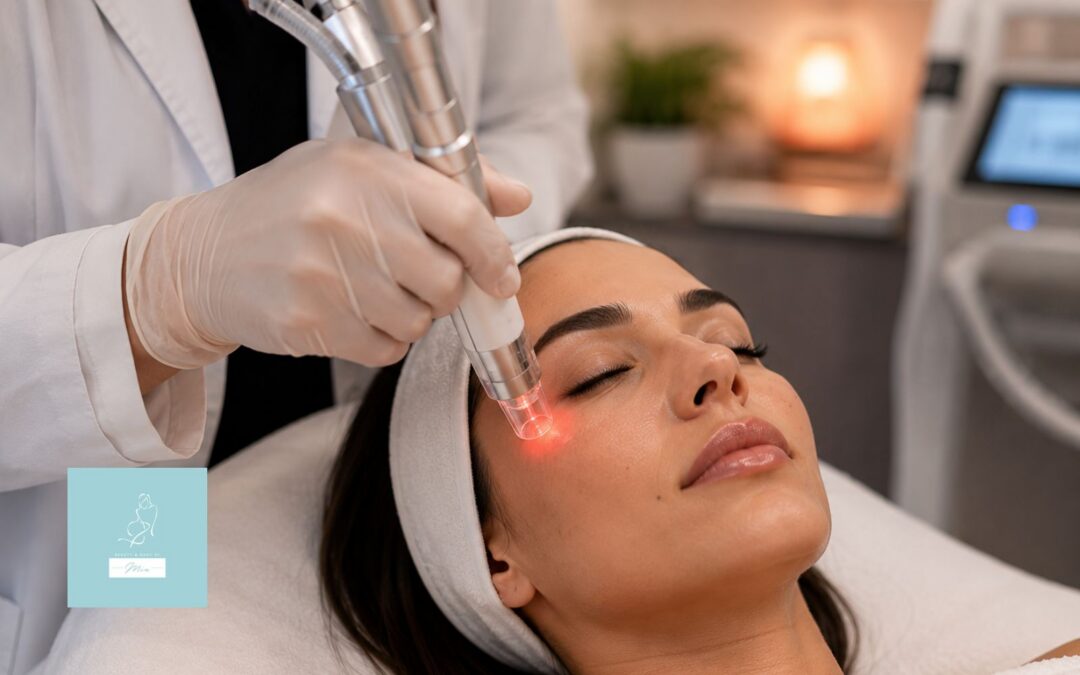
As an advanced skin rejuvenation treatment, CO2 laser resurfacing is designed for clients who want more than a basic facial or light exfoliation. It works by using targeted laser energy to resurface damaged skin and stimulate the body’s natural healing response. As the skin repairs itself, new collagen production helps improve the look of fine lines, wrinkles, scars, and uneven texture.
The American Society for Laser Medicine and Surgery explains that laser resurfacing uses laser energy to remodel layers of the skin, often for concerns like wrinkles, scars, and sun damage. Ablative lasers, including CO2 lasers, remove outer layers of skin and can lead to significant improvement in wrinkles.
What Is CO2 Laser Resurfacing?
CO2 laser resurfacing is an ablative laser treatment, meaning it removes controlled layers of damaged skin while heating the deeper layers to encourage collagen remodeling. This dual action makes it especially helpful for clients who want to address more advanced skin concerns.
Cleveland Clinic notes that CO2 laser resurfacing may be used to treat several skin concerns, including facial lines and scars. Unlike lighter treatments that focus mainly on surface glow, CO2 laser resurfacing targets deeper skin renewal. It can be a strong option for clients who feel like their skin needs a true reset, not just a temporary refresh.
What Can CO2 Laser Help Improve?
CO2 laser resurfacing is commonly used for:
- Rough or uneven skin texture
- Acne scars
- Surgical or injury scars
- Fine lines and wrinkles
- Sun damage
- Enlarged-looking pores
- Crepey skin texture
- Dullness
- Mild skin laxity
For acne scarring, the American Academy of Dermatology explains that laser resurfacing can help stimulate collagen and elastin as the skin heals, which may improve the appearance of scars.
Why Fall Is the Right Time
CO2 laser resurfacing requires careful sun protection before and after treatment. That is one reason fall is such a smart time to begin. With less intense sun exposure, cooler weather, and more time indoors, clients can better protect their skin during the healing process.
Fall also gives your skin time to recover and improve before the holiday season, winter events, and year-end photos. Because collagen remodeling continues after treatment, results build gradually. Starting in fall allows the skin to move through its renewal process before the busiest social months of the year.
What to Expect After Treatment
CO2 laser resurfacing is more intensive than a basic facial or light peel. Depending on the depth of treatment, clients may experience redness, swelling, peeling, flaking, and sensitivity as the skin heals. Cleveland Clinic states that recovery time after CO2 laser resurfacing can be up to two weeks. Aftercare is a major part of the process. Clients should follow post-treatment instructions closely, avoid direct sun exposure, keep the skin protected, and use only recommended products while healing.
At Beauty & Body by Mia, we believe treatment planning matters just as much as the treatment itself. Every client’s skin type, concern, downtime availability, and long-term goal should be considered before beginning a CO2 laser plan.
Who Is a Good Candidate?
CO2 laser resurfacing may be a good fit for clients who are bothered by deeper texture concerns, acne scars, visible sun damage, etched fine lines, or rough skin that does not respond well to lighter treatments.
It may not be right for everyone. Clients with certain skin tones, active acne, recent tanning, specific medical conditions, or a history of pigmentation issues may need a different approach or a customized plan. ASDS notes that patients with active acne or very dark skin are usually not good candidates for laser resurfacing. That is why a professional consultation is essential.
CO2 Laser vs. Lighter Treatments
A Glo & Go Peel, Diamond Tip Microdermabrasion, or OxyGeneo facial can be great for quick glow and maintenance. Microneedling can support collagen with less downtime. But CO2 laser resurfacing is typically chosen when the goal is more significant correction.
Think of it this way:
- Facials and light peels help refresh the surface.
- Microneedling helps stimulate collagen and improve texture over time.
- CO2 laser resurfacing offers a deeper resurfacing approach for more advanced concerns.
Each treatment has a place. The right choice depends on your skin, timeline, and goals.
Start Your Fall Skin Reset
If your skin is showing signs of summer damage, deeper texture, acne scarring, or fine lines, fall is the ideal time to talk about CO2 laser resurfacing. This treatment is not about changing your face. It is about helping your skin look smoother, fresher, and more refined.
At Beauty & Body by Mia, our expert team can help determine whether CO2 laser resurfacing is the right next step for your skin. We will review your concerns, discuss downtime, create a safe treatment plan, and guide you through proper aftercare.
Ready for your fall skin reset? Book your CO2 laser resurfacing consultation with Beauty & Body by Mia today and start your journey toward smoother, brighter, more confident skin.
Coming Later in September
For clients struggling with stubborn pigmentation, uneven tone, post-summer sunspots, or melasma-like discoloration, we will also be talking about VI Peel and The Perfect Peel. These fall-friendly peel options are popular for clients who want to brighten the look of pigmentation and refresh their complexion as sun exposure slows down.
by Mia Valleskey | Aug 31, 2026 | Microneedling
After a long summer of sun exposure, heat, sunscreen buildup, sweat, and outdoor activity, September is one of the best times to refocus on your skin. At Beauty & Body by Mia, we often see clients come in at the end of summer noticing uneven tone, rough texture, larger-looking pores, dullness, and fine lines that seem a little more visible than before.
That is exactly why September is the perfect time to start microneedling.
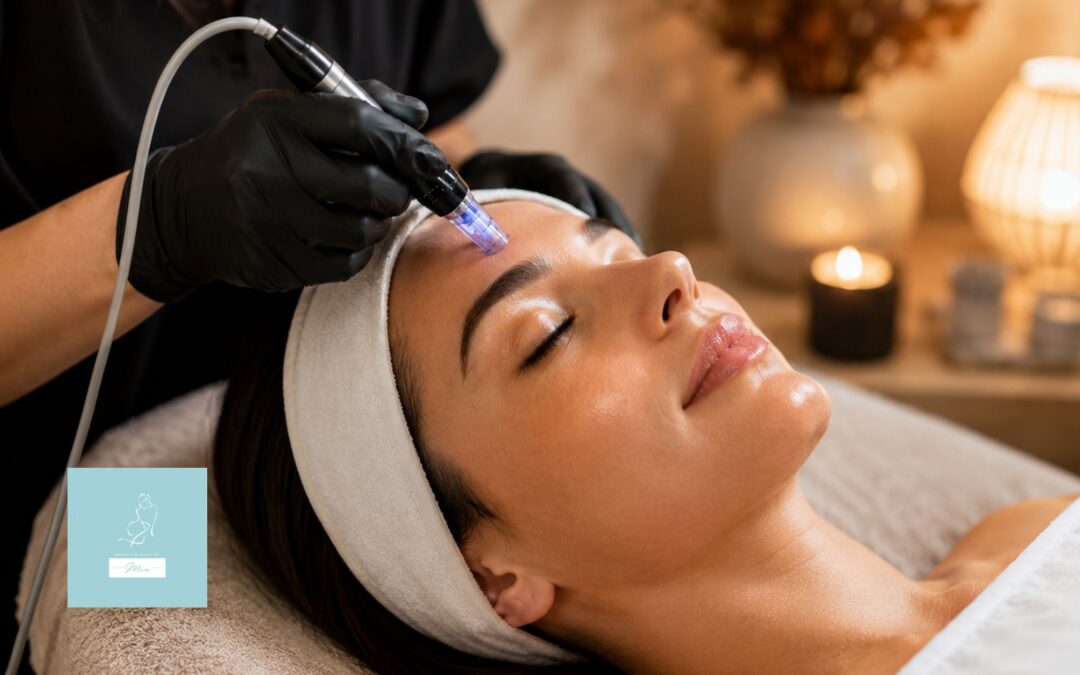
Microneedling, also known as collagen induction therapy, is a skin rejuvenation treatment that uses tiny controlled micro-injuries to stimulate the skin’s natural repair process. This helps support collagen and elastin production, which are key for smoother, firmer, healthier-looking skin. The American Academy of Dermatology notes that microneedling may help improve concerns such as scars, uneven skin tone, wrinkles, and stretch marks.
Why September Makes Sense for Microneedling
During the summer, skin is exposed to more UV rays, humidity, and environmental stress. Even with SPF, many people notice new pigmentation, roughness, clogged pores, and dullness by the time fall rolls around. September creates a natural reset point. Routines are more structured, sun exposure usually starts to decrease, and clients are thinking ahead to fall events, holidays, and year-end photos.
Microneedling is not an overnight “one and done” treatment. It works best as a series because collagen remodeling takes time. Starting in September gives your skin time to build results gradually before the holiday season.
What Microneedling Can Help Improve
Microneedling is a great option for clients who want to improve overall skin quality without looking overdone. It can help with:
- Uneven texture
- Enlarged-looking pores
- Acne scars
- Fine lines
- Dull skin
- Mild skin laxity
- Post-summer roughness
- Overall glow and smoothness
For acne scars specifically, the American Academy of Dermatology lists microneedling as one treatment dermatologists may use to improve the appearance of scars, sometimes alongside other treatments for enhanced results.
Why Collagen Matters
Collagen is what gives skin that firm, smooth, bouncy look. As we age, collagen production naturally slows down, and summer stress can make the skin appear more tired or textured. Microneedling encourages the skin to repair itself from within, making it a smart choice for clients who want natural-looking rejuvenation.
The beauty of microneedling is that it does not change your facial features. It simply helps your skin look fresher, smoother, and healthier over time.
What to Expect After Treatment
After microneedling, it is normal for the skin to look pink or feel sensitive, almost like a mild sunburn. Most clients return to their normal routine quickly, but aftercare matters. Sun protection is especially important after any skin treatment, and the American Academy of Dermatology recommends consistent sunscreen use to help protect skin from UV damage.
At Beauty & Body by Mia, we guide each client through proper pre-care and aftercare, so the treatment fits their skin type, goals, and lifestyle.
Who Is a Good Candidate?
Microneedling is ideal for women who feel like their skin looks tired, uneven, rough, or less firm than it used to. It is especially popular for clients who want to address texture and collagen loss without jumping into more aggressive treatments right away.
However, not every skin type or condition should be treated the same way. If you have active breakouts, certain skin conditions, or a history of abnormal scarring, a consultation is important before starting.
Start Your Fall Skin Plan Now
September is the ideal time to move from summer recovery into fall skin renewal. If your goal is smoother texture, better glow, improved pores, or collagen support, microneedling is a strong place to start.
At Beauty & Body by Mia, our team customizes every treatment plan based on your skin, your timeline, and your goals. Whether you are preparing for holiday photos, a big event, or simply want to feel better in your skin, September is the perfect month to begin.
Ready to start your microneedling journey? Book your consultation with Beauty & Body by Mia today and let’s create your fall skin plan.
Coming Later in September
For clients struggling with stubborn pigmentation, sunspots, melasma-like discoloration, or uneven tone after summer, we will also be talking about VI Peel and The Perfect Peel. These treatments are popular fall options for brightening the skin and targeting pigmentation concerns when sun exposure begins to slow down.
by Mia Valleskey | Aug 14, 2026 | Collagen Treatments
As summer begins to wind down, many people start thinking about transitioning their skincare routines for the upcoming fall season. While hydration and sun protection remain important, late summer is also the ideal time to focus on something that plays a major role in healthy, youthful-looking skin: collagen.
Collagen is the protein responsible for keeping skin firm, smooth, and resilient. Unfortunately, natural collagen production begins to decline as we age, and years of sun exposure can accelerate that process. At Beauty & Body by Mia, August is one of our favorite times to help clients get ahead of the seasonal transition by starting collagen-stimulating treatments that deliver long-term benefits.
Why Collagen Matters
Collagen acts as the structural support system beneath the skin. As collagen levels decrease, you may begin to notice:
- Fine lines and wrinkles
- Loss of firmness
- Thinning skin
- Uneven texture
- Skin laxity around the jawline, neck, and cheeks
The good news is that modern aesthetic treatments can help stimulate your body’s natural collagen production, improving skin quality over time.
Why August Is the Perfect Time to Begin
Many collagen-building treatments work gradually. Unlike treatments that provide instant results, collagen stimulation takes time as your body naturally creates new collagen fibers.
Starting in August allows your skin to begin this rebuilding process before the cooler fall and winter months. By the time holiday gatherings, family photos, and year-end events arrive, you’ll already be seeing the benefits of healthier, firmer skin.
Microneedling: A Collagen Powerhouse
Microneedling remains one of the most effective non-surgical collagen stimulation treatments available.
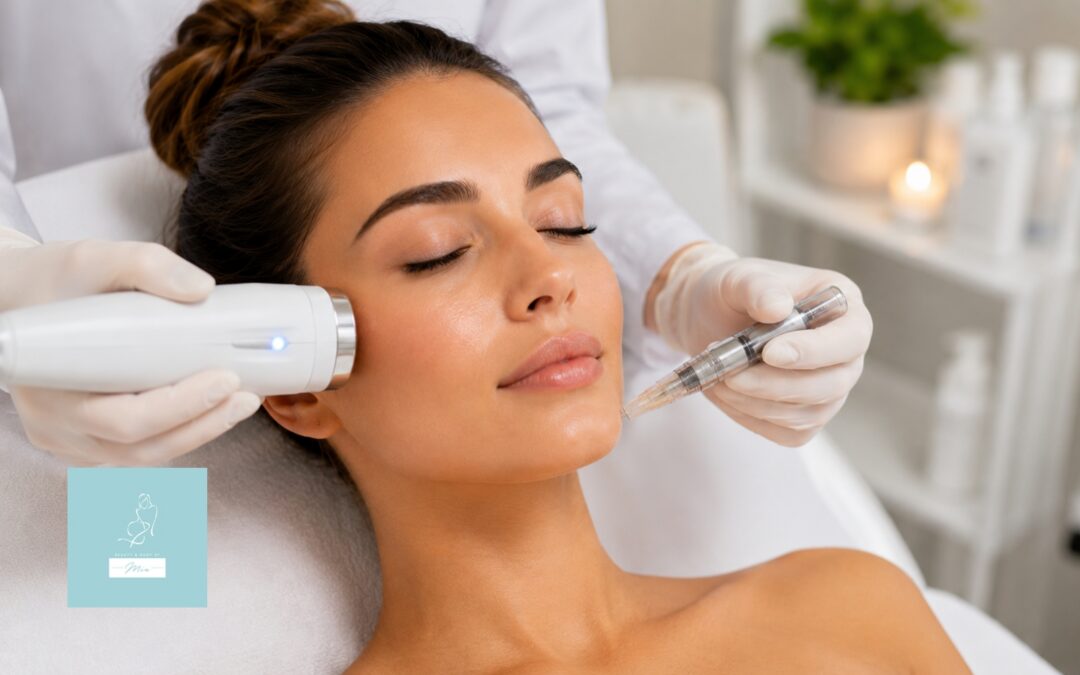
By creating controlled micro-injuries in the skin, Microneedling encourages the body’s natural healing response, resulting in increased collagen and elastin production.
Benefits include:
- Improved skin texture
- Reduced appearance of fine lines
- Smaller-looking pores
- Smoother skin tone
- Enhanced overall skin quality
Because collagen develops gradually, starting treatments in August allows optimal time for results to build.
Ultherapy® for Deep Collagen Stimulation
Ultherapy® uses focused ultrasound energy to target deeper layers of tissue beneath the skin. The treatment stimulates collagen production where skin support begins, making it a popular option for clients seeking a non-surgical lift.
Ultherapy® is commonly used to improve:
- Jawline definition
- Neck firmness
- Brow positioning
- Overall skin tightness
Results continue to develop over several months, making August an excellent starting point.
Plasma Skin Tightening
Plasma Skin Tightening helps stimulate collagen while improving the appearance of loose or aging skin.
This treatment is often chosen for areas such as:
- Around the eyes
- Neck
- Fine lines and wrinkles
- Small areas of skin laxity
As new collagen forms, the skin gradually appears firmer and more youthful.
Long-Term Benefits of Starting Early
One of the biggest advantages of beginning collagen treatments in late summer is patience. By allowing your body time to naturally rebuild collagen, you create more natural-looking results that continue improving throughout the fall season.
Rather than waiting until the holidays approach, August gives you a head start on healthier skin.
Start Your Fall Skin Transformation
At Beauty & Body by Mia, we believe beautiful skin starts with a strong foundation. Treatments like Microneedling, Ultherapy®, and Plasma Skin Tightening can help stimulate collagen production and support long-term skin health.
Ready to prepare your skin for fall? Contact Beauty & Body by Mia today to schedule your consultation and create a personalized collagen-building treatment plan.
by Mia Valleskey | Jul 30, 2026 | Tips & Tricks
Summer is one of the best times of the year, but your skin may not always agree. Hours spent outdoors, increased sun exposure, swimming, heat, and humidity can leave your complexion feeling dehydrated, rough, and uneven. Even with daily sunscreen, many people notice dullness, clogged pores, discoloration, and a loss of radiance by the end of summer.
As fall approaches, it’s the perfect time to give your skin a fresh start. At Beauty & Body by Mia, we offer advanced facial treatments designed to restore hydration, improve texture, and help your skin recover from the effects of summer.
OxyGeneo: The Ultimate Skin Refresh
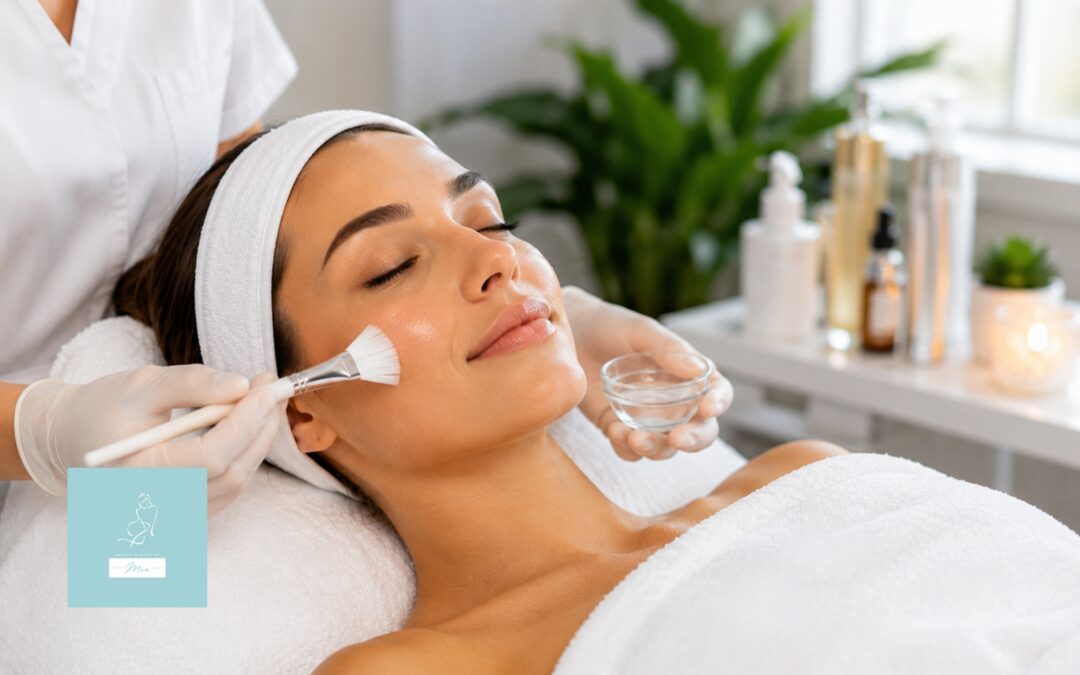
One of the most popular post-summer treatments is OxyGeneo. This three-in-one facial exfoliates dead skin cells, infuses nourishing ingredients, and oxygenates the skin from within.
OxyGeneo is ideal for clients who want to:
- Brighten dull skin
- Improve hydration
- Enhance skin tone
- Restore a healthy glow
Many clients notice immediate radiance after treatment, making it a perfect back-to-school or back-to-work skin reset.
Diamond Tip Microdermabrasion for Smoother Skin
Summer can leave behind rough texture and clogged pores. Diamond Tip Microdermabrasion gently exfoliates the skin’s surface to reveal smoother, healthier-looking skin underneath.
Benefits include:
- Improved skin texture
- Brighter complexion
- Reduced appearance of clogged pores
- Better absorption of skincare products
It’s an excellent option for clients seeking a quick and effective refresh after months of sun exposure.
Customized Peels and Retinol Vitamin C Peels
Sun exposure can often lead to uneven pigmentation and dull skin. Chemical peels help accelerate skin cell turnover, revealing fresher skin beneath the surface.
Our Customized Peels and Retinol Vitamin C Peel can help improve:
- Uneven skin tone
- Sun damage
- Fine lines
- Texture concerns
- Overall brightness
These treatments are especially popular as clients transition from summer into the cooler months.
Microneedling for Summer Skin Recovery
Microneedling remains one of the most effective treatments for stimulating collagen production and improving skin quality.
For clients experiencing:
- Sun damage
- Fine lines
- Enlarged pores
- Uneven texture
Microneedling can help encourage the skin’s natural repair process while promoting healthier, smoother skin over time.
Carboxy Therapy for Revitalized Skin
Carboxy Therapy is another excellent option for post-summer rejuvenation. This treatment helps improve circulation and oxygen delivery to the skin, resulting in a brighter, healthier appearance.
Clients often choose Carboxy Therapy when looking to refresh tired, stressed skin and restore a youthful glow.
Looking for More Advanced Rejuvenation?
For clients concerned with skin laxity or firmness, treatments such as Plasma Skin Tightening, Ultherapy®, and our Non-Surgical Facelift options can provide additional support for collagen production and skin tightening without surgery.
Start Your Fall Glow Today
Your skin works hard during the summer months. Giving it the care and attention it deserves can help restore hydration, improve texture, and reveal a healthier complexion heading into fall.
At Beauty & Body by Mia, we customize every treatment plan based on your unique skin goals. Whether you’re interested in OxyGeneo, Microneedling, Diamond Tip Microdermabrasion, or a Customized Peel, our team is here to help.
Ready for your post-summer skin reset? Contact Beauty & Body by Mia today and schedule your personalized consultation.
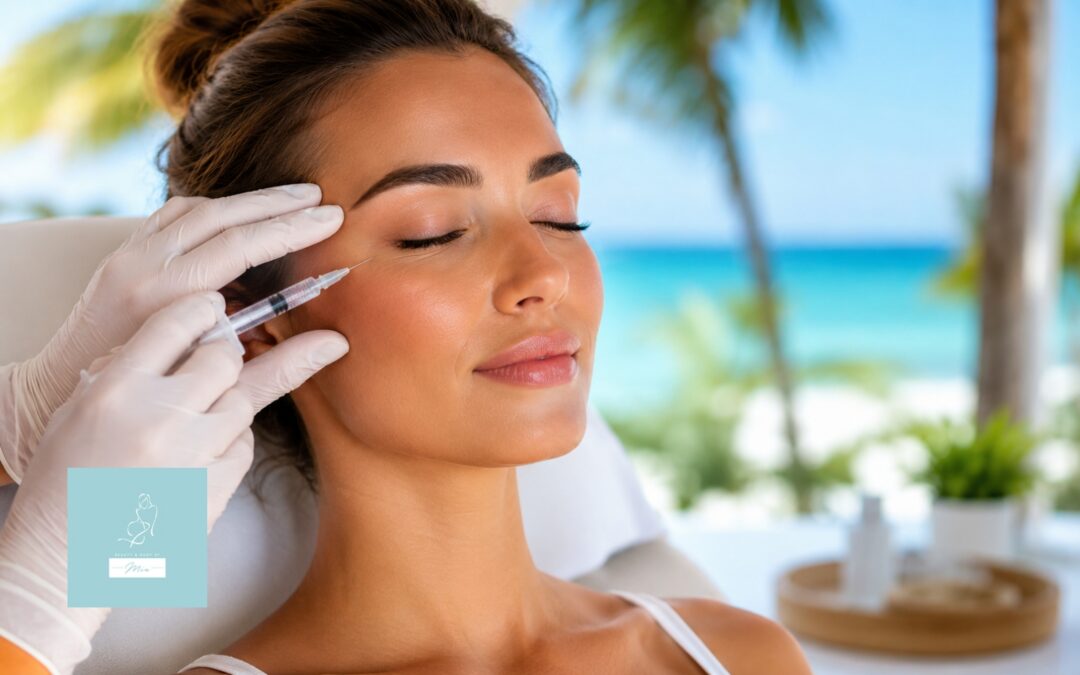
by Mia Valleskey | Jul 15, 2026 | Botox
Summer is filled with vacations, weddings, reunions, and countless photo opportunities. It’s no surprise that many people choose this time of year to refresh their appearance with Botox. At Beauty & Body by Mia, one of the most common questions we hear is, “Should I get Botox before my vacation?” The answer is often yes, but timing matters.
If you’re considering Botox before a summer getaway, here’s what you should know.
Why Botox Is Popular During Summer
Botox remains one of the most popular cosmetic treatments because it offers noticeable results without surgery or significant downtime. It works by temporarily relaxing the muscles responsible for dynamic wrinkles, helping soften the appearance of:
- Forehead lines
- Crow’s feet
- Frown lines between the brows
- Bunny lines around the nose
The result is a smoother, refreshed appearance that still looks natural.
Summer events often mean more photos and social gatherings, making Botox a convenient way to enhance your confidence without interrupting your schedule.
When Should You Schedule Botox Before Vacation?
One of the biggest misconceptions about Botox is that results appear immediately. While some people notice subtle improvements within a few days, full results typically develop over 10 to 14 days.
For the best outcome, we recommend scheduling your appointment at least two weeks before any major trip, wedding, or special event. This allows enough time for the treatment to fully settle and for any minor swelling or redness to resolve.
Can You Be in the Sun After Botox?
Yes. Botox itself is not affected by sunlight. However, protecting your skin from UV damage is still essential for maintaining a youthful appearance.
After your appointment, we recommend:
- Wearing broad-spectrum sunscreen daily
- Staying hydrated
- Wearing hats and sunglasses during prolonged sun exposure
- Following any aftercare instructions provided by your injector
Healthy skin complements your Botox results and helps you maintain a refreshed look all summer long.
Will Heat or Swimming Affect Botox?
Swimming, beach days, and summer activities generally will not affect Botox once the product has settled. For the first 24 hours after treatment, it’s best to avoid strenuous exercise, excessive heat exposure, and activities that may increase blood flow to the treated areas.
After that period, you can return to your normal summer routine.
Get Vacation-Ready with Beauty & Body by Mia
If you’re planning a summer vacation or special event, Botox can be an excellent way to achieve a refreshed, youthful appearance before you go. At Beauty & Body by Mia, we customize every treatment to enhance your natural features while maintaining beautiful, natural-looking results.
Ready to look your best this summer? Schedule your Botox consultation with Beauty & Body by Mia today and enjoy a smoother, more confident vacation season.
