
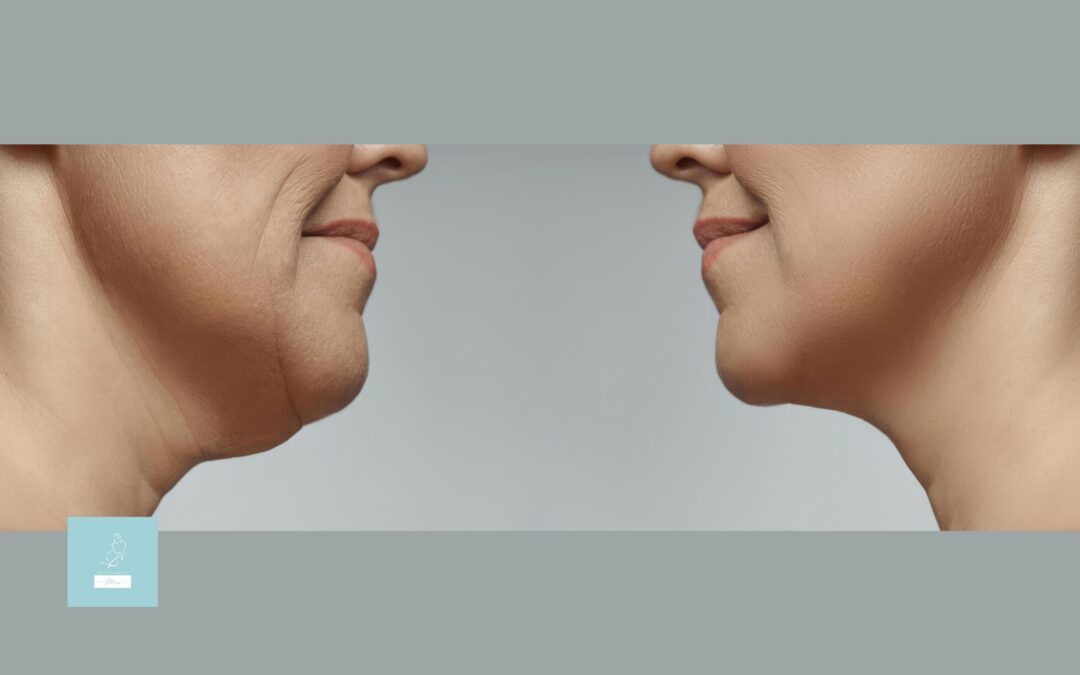
Ultherapy and Thermage: Choosing the Right Non-Surgical Skin Tightening Treatment for Your Goals
Non-surgical skin tightening has come a long way in the last few years, with more treatment choices than ever before. Two options available today are Ultherapy and Thermage. Both are effective, non-invasive, and capable of giving you visible results without surgery. They’re also different enough that it can be tough to choose.
How Ultherapy Works
Ultherapy uses focused ultrasound energy and helps restart collagen production under the skin’s surface. What makes it different from other similar treatments is that it can reach the SMAS layer (the tissue layer addressed in a surgical facelift).
The results aren’t immediate, however. Most patients see the full effect of Ultherapy between three and six months after treatment, as the body’s collagen remodeling process runs its course.
Ultherapy is FDA-cleared for lifting the brow, chin, and neck, and for improving lines and wrinkles on the décolletage. If you’re starting to notice laxity in the lower face and neck and want to address it, you’re probably a good candidate.
How Thermage Works
Thermage uses radiofrequency energy to heat the deeper layers of the skin, which stimulates collagen contraction and remodeling. The goal is the same as with Ultherapy: jumpstarting the body’s natural collagen response to produce firmer, smoother, tighter skin.
Radiofrequency energy heats tissue more broadly than focused ultrasound, which makes Thermage a good choice for improving the skin’s texture, surface smoothing, and treating larger areas. It’s also one of the few non-surgical options cleared for use around the eyes.
Thermage results also develop over two to six months. A single treatment session is usually enough, and results can last for several years.
What Are the Biggest Differences?
Ultherapy works deeper than Thermage. That makes it the better option when structural lift is the goal. If the concern is sagging rather than surface texture, Ultherapy is generally the right choice.
Thermage works more broadly across the skin’s layers and excels at overall tightening, texture refinement, and surface smoothing. It’s also the better option for the eye area, where Ultherapy is not indicated. For patients whose concerns are less about structural lift and more about skin texture and firmness, Thermage makes more sense.
How to Decide
Ultherapy and Thermage both require working with a medical professional who’ll assess your skin’s condition and talk about what you want to achieve before recommending the treatment that makes the most sense.
Schedule a consultation with Beauty & Body By Mia today to find the best non-surgical skin tightening option for your goals.